

A wheel upgrade raises two separate safety questions: does the vehicle have an unrepaired safety recall, and will the wheel-and-tire package fit the vehicle correctly? A vehicle VIN lookup answers the first question. It does not replace checking tire-specific recall identifiers or confirming fitment.
Use this short pre-install check before ordering or mounting a new setup. Follow the exact instructions in any official recall notice, and have a qualified wheel-and-tire professional confirm fitment for your vehicle.
1. Check the vehicle’s open recalls by VIN
Find the 17-character vehicle identification number at the lower-left corner of the windshield, or check the registration or insurance card. NHTSA’s recall lookup can check by VIN or license plate whether a supported vehicle has an unrepaired recall. Read the exact campaign details and any interim instructions; a make-and-model search is useful for research but does not tell you whether your specific vehicle is affected. A VIN search may not yet show every recently announced recall while affected VINs are still being identified, and it does not show recalls that have already been repaired. It can also omit some older, specialty, or international-vehicle recalls, so check with the manufacturer if coverage is uncertain.
You can also use a vehicle recall lookup by VIN as a convenient second check. Confirm any result, coverage limitation, and repair instructions with NHTSA and the vehicle manufacturer or dealer. If a notice gives a stop-driving or other interim warning, follow that notice before driving to an installer.
2. Check the tires by their own identifiers
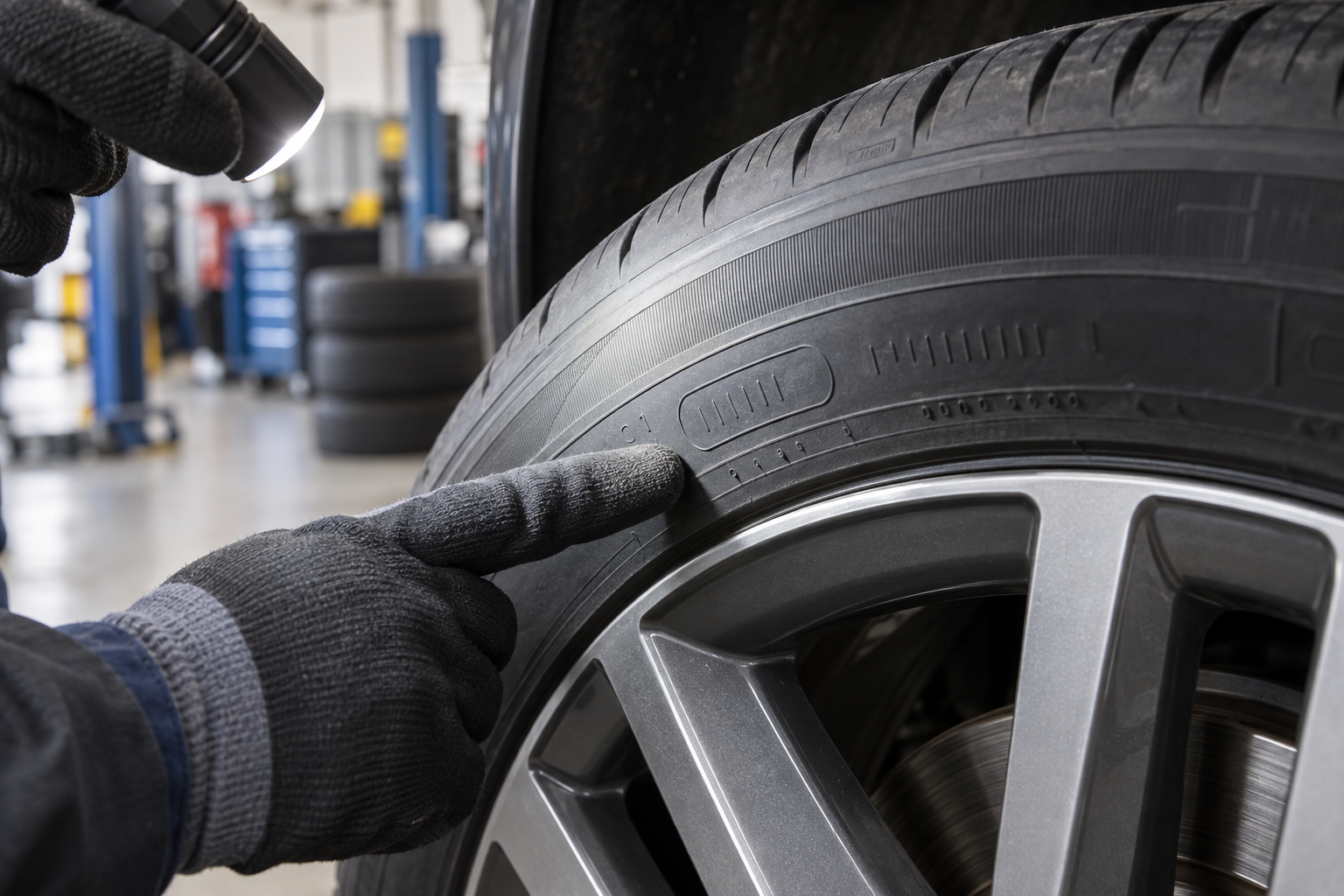
A vehicle VIN and a tire identification number are different identifiers. A vehicle VIN search is not a complete tire-recall check. For a tire notice, compare the exact tire brand, line or model, size, and the DOT Tire Identification Number (TIN) against the manufacturer’s recall notice or affected-tire list. Do not assume a similar-looking tire is included—or excluded—without matching the notice’s identifiers.
NHTSA’s TireWise guidance explains where to find the tire identification number on the sidewall. The full code may appear on only one side; the opposite side can show a partial code. The DOT/TIN identifies a tire for traceability, but the code by itself does not tell you whether that tire is recalled. If the markings are hard to read, ask a tire professional or the tire manufacturer to help match them to the official notice.
3. Keep the fitment check separate
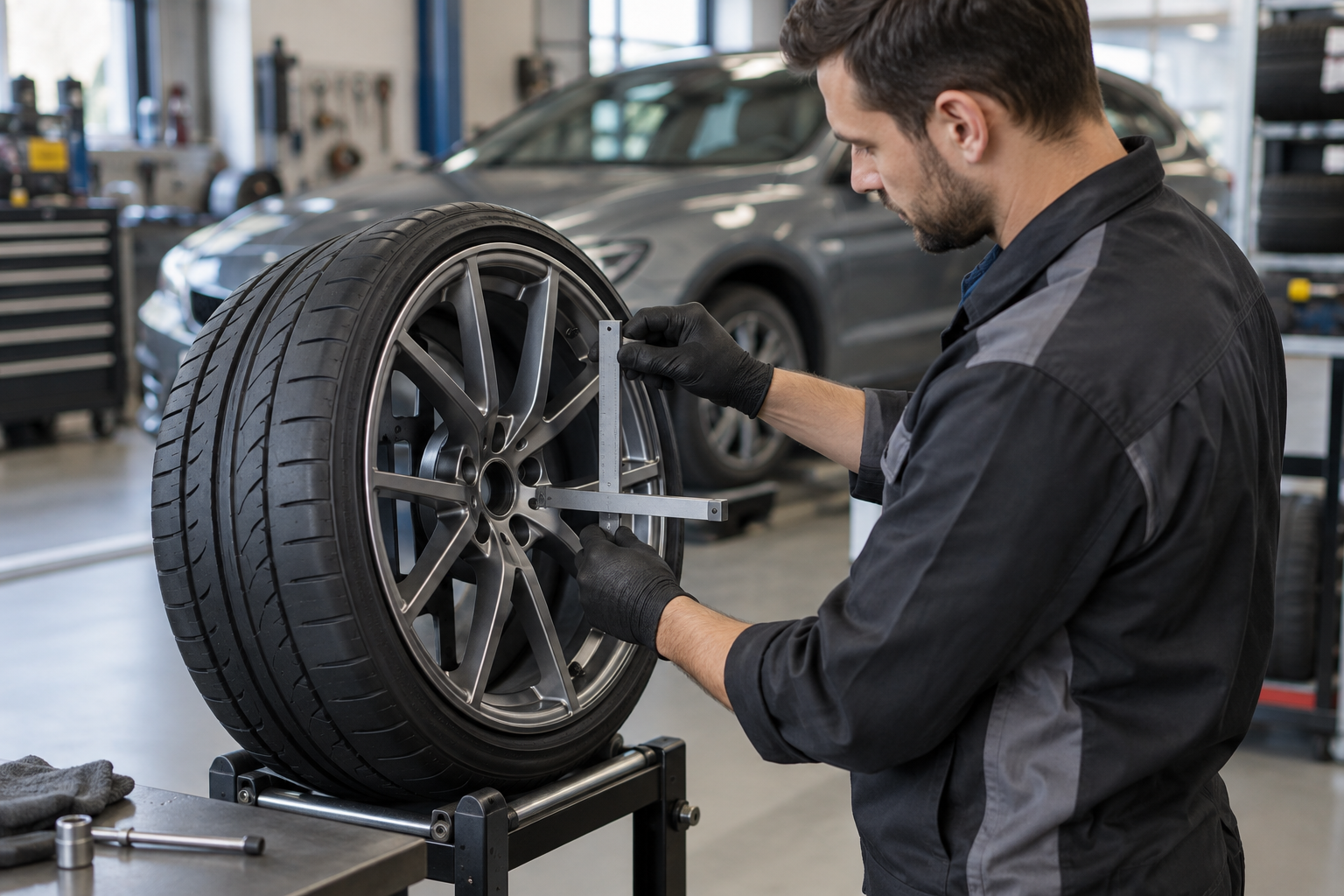
Once recall checks are complete, confirm the proposed wheel and tire package with the vehicle manual, wheel specifications, and a qualified installer. Check the recommended tire size, wheel diameter and width, bolt pattern, offset, hub bore, load rating, and clearance around brakes, suspension, and fenders. A part that fits physically is not automatically the right specification for the vehicle.
Our alloy-wheel care and fitment guide covers the measurements and installation details in more depth. NHTSA advises choosing replacement tires in the original size or another size recommended by the vehicle manufacturer. Ask the installer to confirm the full combination before mounting, especially when the vehicle has a lift, lowering springs, spacers, oversized brakes, or other modifications.
Pre-upgrade checklist
- Write down the vehicle’s 17-character VIN and current tire size.
- Search NHTSA for unrepaired vehicle recalls and read every campaign’s instructions.
- For tire recalls, match the tire brand, model, size, and DOT/TIN against the exact notice.
- Confirm the replacement wheel-and-tire package with the vehicle maker’s specifications and a qualified installer.
- Keep the wheel and tire receipts, and recheck official notices if a manufacturer contacts you later.
A recall lookup, tire identification check, and fitment review answer different questions. Completing all three gives you a clearer record before the upgrade; it does not replace the vehicle maker’s or tire maker’s official instructions.
Common questions
Does a vehicle VIN check find every recalled tire?
No. A VIN lookup is for vehicle-specific recalls. Tire notices can depend on the tire’s brand, model, size, and DOT/TIN, so check those identifiers against the exact tire notice as well.
Can a wheel upgrade fix or clear an open vehicle recall?
No. A wheel or tire change is not a recall remedy. Follow the manufacturer’s instructions for the specific campaign and ask the dealer or manufacturer if a modification affects the repair process.
Should I run the check again after installation?
Keep your VIN and tire details with the purchase records, and check official notices when you receive a manufacturer alert or when you review your vehicle’s maintenance. Follow any new notice promptly.
0 Comments