

When planning a potential business sale or capital restructuring for a tire and custom wheel center, owners can benefit from organizing operational records. For those beginning automotive equipment appraisal preparation, compiling these records can help an owner prepare materials for a professional appraisal and diligence review. Having these records organized may support a general understanding of the shop’s operational capacity. For an automotive business, the tangible assets on the shop floor—ranging from wheel balancers and mounting machines to the physical inventory stored in the warehouse—represent a substantial portion of the overall business assets. When these assets are documented, it may make records easier to review and inform diligence, risk assessment, and a professional appraisal.
The Intersection of Shop Operations and Professional Appraisals
A professional business appraisal of an automotive service shop is not simply a matter of counting tools and checking their current retail prices. Appraisers typically evaluate the operational utility and longevity of the assets. A shop that maintains its equipment in good condition supports general service readiness, which can be an important factor during an operational review. Conversely, neglecting routine maintenance can lead to equipment downtime, safety compliance issues, and early capital replacement needs.
When an appraiser conducts a site visit, they observe how the shop is organized and look for signs of systematic operations. If the equipment is clean, calibrated, and accompanied by maintenance logs, it can suggest that the shop maintains an active maintenance program. This record-keeping is a factor that may help an appraiser or buyer understand the records available during due diligence. Having daily activities backed by documentation may make records easier to review when preparing for a professional appraisal.
Cataloging Capital Assets: Balancers, Changers, and Lifts
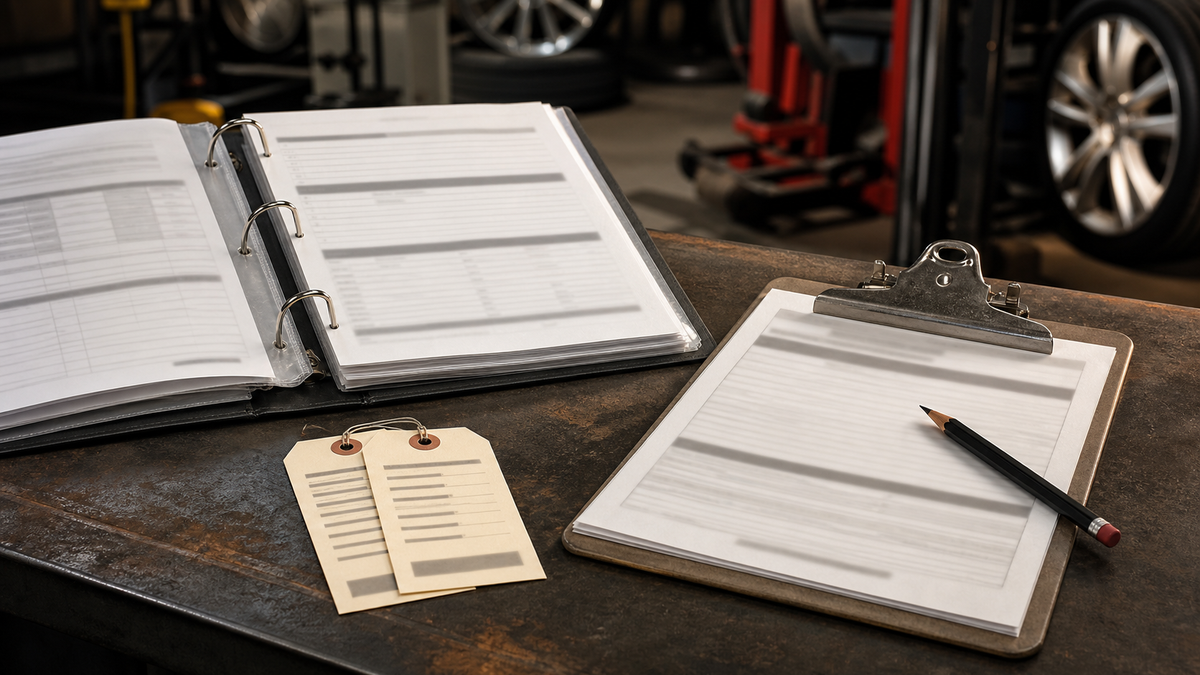
The first step in preparing shop equipment for appraisal is to compile a registry of capital assets. A useful registry can go beyond a simple list of items, providing details for each piece of machinery. For balancers, mounting machines, vehicle lifts, and alignment racks, the registry can record the manufacturer, model number, serial number, and date of purchase.
Furthermore, the registry can document the general condition and operational history of each asset. For example, documentation of shop assets can align with the concepts described in documenting balancers, mounting machines, and service equipment before an ownership transition, which can help an appraiser or buyer understand the records available regarding machinery history. Maintaining these records can assist in outlining which items are operational and which may need service, helping to clarify the status of the shop’s core physical assets during the handoff.
Verifying Wheel Inventory Valuation and Fitment Accuracy
Inventory is another critical component of a wheel shop’s tangible assets, and its valuation requires careful analysis. Unlike generic auto parts, custom wheels are highly specific to vehicle applications, and their value is tied to their fitment relevance. An inventory filled with obsolete wheel styles or incorrect bolt patterns is worth significantly less than an inventory composed of fast-moving, high-demand SKUs.
For a detailed review of standardizing stock, refer to our guide on wheel inventory, fitment records, and supplier data for a transferable specialty retail operation, which outlines SKU discipline and catalog integration. During an appraisal, owners can maintain an inventory ledger that maps physical stock to SKU numbers, purchasing costs, and supplier data. A database can show how the shop handles SKU organization, aiming to avoid duplicate records and track inventory age. Because inventory records can be an important part of an operational review, maintaining fitment records may make records easier to review and inform a professional appraisal.
Service History and Equipment Maintenance Verification
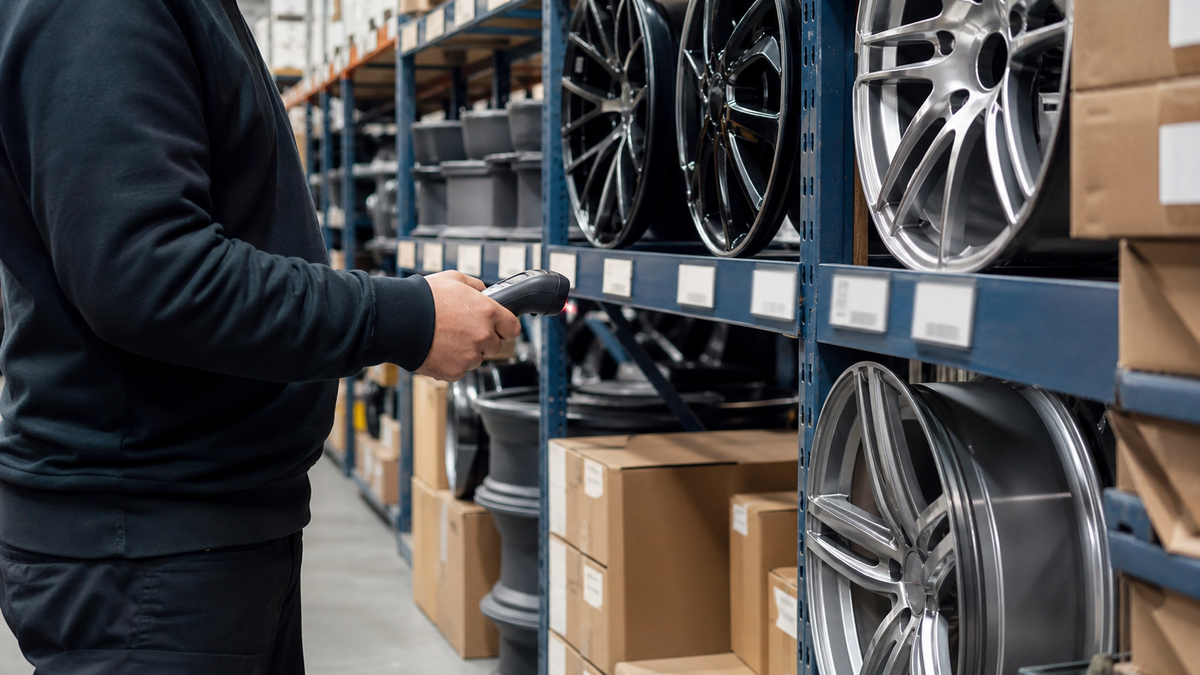
To verify the value of capital assets, appraisers look for documentation that the machinery has been maintained according to manufacturer specifications. These details can be noted in the equipment’s service history and maintenance logs. When a wheel balancer is calibrated, a mounting machine’s air lines are oiled, or a lift’s hydraulic fluid is replaced, the action may be recorded in maintenance logs.
These logs can detail the date of the service, the name of the technician who performed it, and any replacement parts used. In addition to internal maintenance logs, the owner can keep records of professional inspections and calibrations performed by service partners. For equipment such as vehicle lifts, keeping records of safety inspections can serve as useful operational documentation. This documentation can help show the equipment’s maintenance history, which can inform diligence and assist in the transition.
The Role of Staff Training and Standard Operating Procedures
While physical assets are the focus of an equipment appraisal, the systems used to operate and maintain those assets are equally important to the business’s overall transferability. A shop with state-of-the-art machinery will still struggle if the staff is not trained in standard operating procedures (SOPs). Appraisers and buyers look at how dependent the shop is on the current owner for its day-to-day operations.
To support a transition, the owner can document SOPs related to equipment operation, safety protocols, and inventory management. This documentation can include training logs showing that technicians have received training in using specific machinery, such as wheel balancers and alignment systems, which can be documented where the role or equipment guidelines suggest it. When staff training is documented, it can assist in promoting consistent equipment operation and reducing wear and tear. Tracking these processes can help demonstrate how the business manages its daily workflow, providing useful records during an ownership change.
Compiling the Appraisal Dossier: A Step-by-Step Guide
To prepare for a professional appraisal, the shop owner can compile all relevant documents into a single, organized dossier. Having this information prepared beforehand can make information easier to organize and review for the appraiser, demonstrating a systematic approach to business records.
The appraisal dossier can be organized into clear sections, including:
1. Capital Asset Registry: The detailed list of all shop machinery, including serial numbers, purchase dates, and original acquisition costs.
2. Maintenance and Calibration Logs: Separate files for each major machine containing its service history, calibration records, and certificates of inspection.
3. Inventory Reports: A clean, SKU-level inventory report showing current stock levels, unit costs, and age analysis.
4. Supplier and Vendor Files: Copies of active distributor contracts, pricing sheets, and procurement history.
5. Standard Operating Procedures (SOPs): The written manuals for equipment operations, shop safety, and inventory management.
6. Staff Training Records: Documentation of technician training and safety reviews.
By providing the appraiser and prospective buyers with an organized appraisal dossier, the wheel shop owner can clearly organize the documentation of physical and operational assets, helping support a transition.
Sources
- Auto Care Association. (2026). Auto Care Association Releases ACES 5.0 and PIES 8.0. Press Release.
- U.S. Small Business Administration (SBA). Buy an existing business or franchise. SBA Business Guide.

0 Comments