

Managing a specialty automotive retail center requires balancing technical precision with operational efficiency. In the aftermarket wheel and tire sector, inventory management involves mapping physical products to vehicle applications. For custom wheel retailers planning a business transition or seeking an appraisal, the clarity of inventory data can help an owner, buyer, lender, or advisor understand records during diligence. A store with disorganized records, unlabeled SKUs, or undocumented supplier agreements can complicate review by potential partners. Conversely, a retail center that maintains structured databases aligned with automotive aftermarket standards demonstrates a repeatable model that can assist when presenting operations to external partners.
The Operational Value of Clean Data in Wheel Retail
The accuracy of inventory records can influence the operational flow and viability of a wheel retail business. Disorganized databases can lead to higher return rates, increased carrying costs, and lost sales. In the specialty wheel sector, where single units represent a significant expense, capital tied up in dead stock can affect cash flow. When a business prepares for transition, review of inventory turnover and obsolete stock can help clarify operational history. Structured inventory records can indicate that the business monitors its purchasing cycles and manages its stock levels.
Inventory records also help document supplier patterns. Retailers typically track acquisition costs, shipment lead times, and historical vendor performance. In an appraisal review or due diligence process, records may be compared with physical stock counts and invoices to help verify consistency. Establishing clear processes for receiving, tracking, and auditing stock may make records easier to review and inform diligence, risk assessment, and professional appraisal processes. By maintaining clean records, a business demonstrates that it systematically tracks inventory movements, which can support the overall evaluation of the company’s operational habits.
Standardizing Fitment Data: ACES and PIES Frameworks

To organize inventory records, specialty retailers can align their databases with industry-recognized standards. In the automotive aftermarket, the Auto Care Association has established two key data standards: the Aftermarket Catalog Enhanced Standard (ACES) and the Product Information Exchange Standard (PIES). ACES and PIES are standardized machine-readable methods for exchanging fitment and product information. These standards allow manufacturers, distributors, and retailers to communicate product information using a unified technical language. Standardizing fitment information helps aftermarket shops categorize their parts catalog systematically.
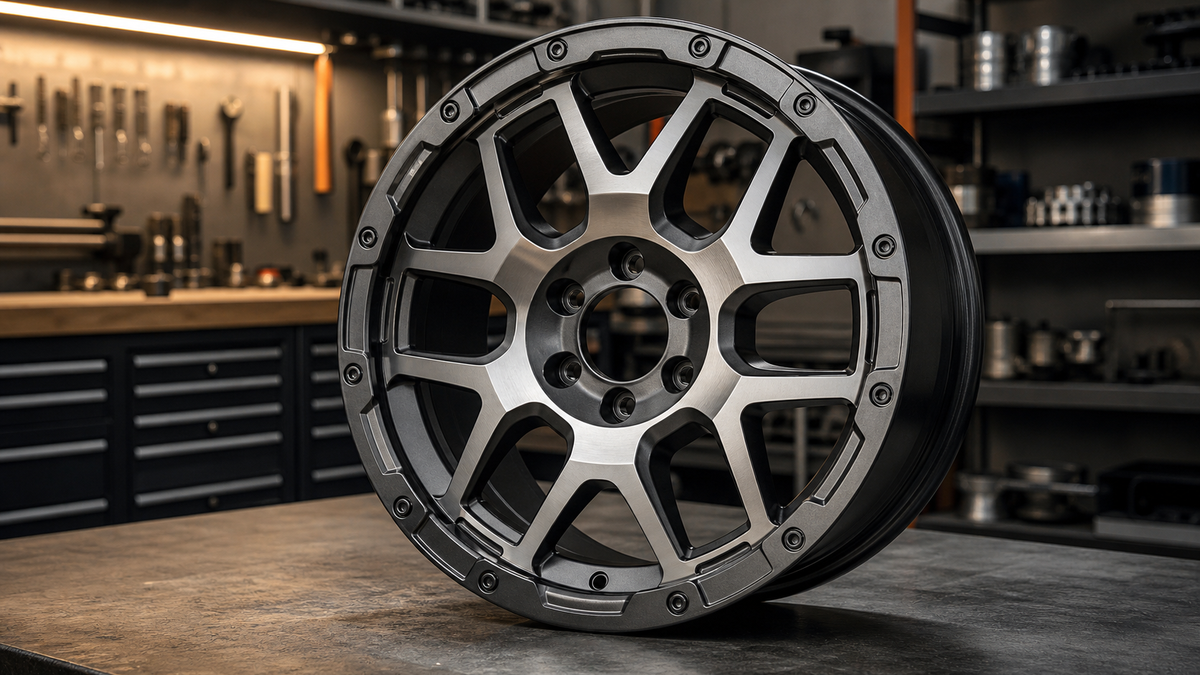
For example, when managing fitment documentation for custom wheels, store associates can reference specialized guides like the Incubus alloy wheels care and fitment guide to verify proper installation parameters, torque values, and maintenance requirements for aftermarket wheels. Correct fitment mapping is important when handling customer vehicles to verify bolt patterns, center bores, and offsets. Utilizing standardized data formats can help organize catalog data, making it easier for a buyer, owner, or advisor to review inventory listings, check specifications, and inspect sourcing logs during a business transition.
Establishing SKU Discipline and Eliminating Stock Redundancy
SKU discipline is the practice of maintaining a structured registry of unique products in a retailer’s inventory. In the custom wheel industry, maintaining this discipline can be complex due to the variations that differentiate products. A single wheel model may be produced in multiple variations of diameter, width, offset, and finish. Without a SKU management system, a shop can experience duplicate entries for the same physical product, which can lead to discrepancies in sales and stock records.
To support database organization, retailers can establish clear naming conventions and categorization schemes. Having each SKU correspond to a specific product configuration helps document fitment attributes. For instance, when custom utility setups are configured, sales teams can check structural capacities by referring to product outlines, such as those detailing truck wheels for rocky terrains, to confirm that the chosen SKU meets the load rating and durability demands of the vehicle. Periodically performing inventory checks, including cycle counts, can help identify duplicate SKUs, correct labeling errors, and verify that the database aligns with the physical stock.
Managing Supplier Contracts and Procurement History
A documented relationship with suppliers can be helpful during a business transition. Specialty wheel retailers sometimes operate under informal arrangements with distributors, which can complicate review by potential buyers. Prospective partners during diligence typically seek to understand the shop’s supply channels, pricing terms, and shipping agreements.
To document the procurement pipeline, retailers can compile a supplier file that includes distributor agreements, representative contacts, price sheets, minimum order details, and historical lead times. Additionally, the shop may document examples of records such as purchasing agreements and procurement logs to show pricing trends and historical pricing adjustments, matching the scope to the business size and professional review requirements. Documenting these relationships may help explain how the business manages its supply structure, which can inform diligence and assist when prospective buyers review sourcing arrangements.
Multi-Location Stock Transfers and Documentation
For wheel retailers operating multiple storefronts or a warehouse, transferring stock between locations is a common operational task. However, stock transfers can lead to inventory discrepancies if not tracked. Recording transfers systematically can help maintain a clear tracking path from the sending location to the receiving store.
An inventory transfer process can involve generating a transfer order in the management system, placing the items in an “in-transit” status while they are moved. The receiving store can then perform a count and check in the incoming items to update their local inventory. This tracking helps prevent items from being double-counted or lost in database records. Organizing these transfer processes can help multi-location operations review their stock levels and compile data for operational reports, providing clearer records during professional reviews.
Documentation Checklists for Ownership Handover
When preparing a specialty wheel retail business for a professional appraisal or review, compiling inventory and supplier records can assist in the process. Having these documents organized and readily accessible may make records easier to review and inform diligence and professional appraisal preparations.
Depending on the size and scope of the business, a transition documentation package can include examples of the following components:
* A list of active SKUs, showing stock levels, unit costs, and retail prices.
* Maps demonstrating how vehicle fitment data standards are aligned with the active product catalog.
* An inventory age review identifying items that have been in stock for extended periods.
* Copies of supplier agreements, showing payment terms and rebate structures if applicable.
* Examples of historical procurement logs showing purchasing volumes and unit cost trends, with the scope matching the business.
* Documentation of standard operating procedures for inventory processes, such as receiving, stock updates, and transfers.
Assembling these records can help show how a specialty retail store manages its operational details, providing useful documentation for professional appraisers and prospective buyers during due diligence.
Sources
- Auto Care Association. (2026). Auto Care Association Releases ACES 5.0 and PIES 8.0. Press Release.
- U.S. Small Business Administration (SBA). Buy an existing business or franchise. SBA Business Guide.


0 Comments