

A professional wheel and tire service shop relies on its capital equipment to support daily revenue operations and maintain safety standards. When preparing a tire center or automotive service shop for a business transition, the physical machinery on the shop floor represents a portion of the company’s tangible assets. The significance of these assets during review can be influenced by their operational status, calibration history, and safety compliance records. Prospective buyers, lenders, and appraisers typically look for records showing that the machinery is in working order and has been maintained. Documenting the service history and maintenance logs of wheel balancers, mounting machines, alignment racks, and other shop equipment is a step that may make records easier to review and inform diligence and professional appraisals.
Asset Documentation as a Core Component of Service Value
In the automotive service industry, equipment condition is closely linked to the quality of the services provided. A shop that uses uncalibrated or poorly maintained equipment risks service inconsistency, customer complaints, and potential damage to rims. When a business is undergoing valuation or due diligence, undocumented equipment can present uncertainty during operational reviews. Reviewers and buyers may assess the condition of the machinery based on available logs, and a lack of records could suggest that future maintenance expenditures will be needed.
By establishing a documentation system for shop assets, the owner can compile operational records that may make records easier to review and inform negotiations and appraisal reviews. Proper documentation can include purchase invoices, serial numbers, user manuals, and logs of maintenance, repairs, and calibrations. Proper asset documentation allows a shop owner to present a clear log of the physical improvements made to the facility over time. In a professional appraisal, having records that differentiate between general wear and tear and scheduled maintenance helps the appraiser evaluate the equipment’s current utility. This record-keeping demonstrates to potential buyers that the machinery has been treated systematically as a capital asset, providing operational records that can assist during a transition.
Maintenance Logs and Calibration Standards for Wheel Balancers
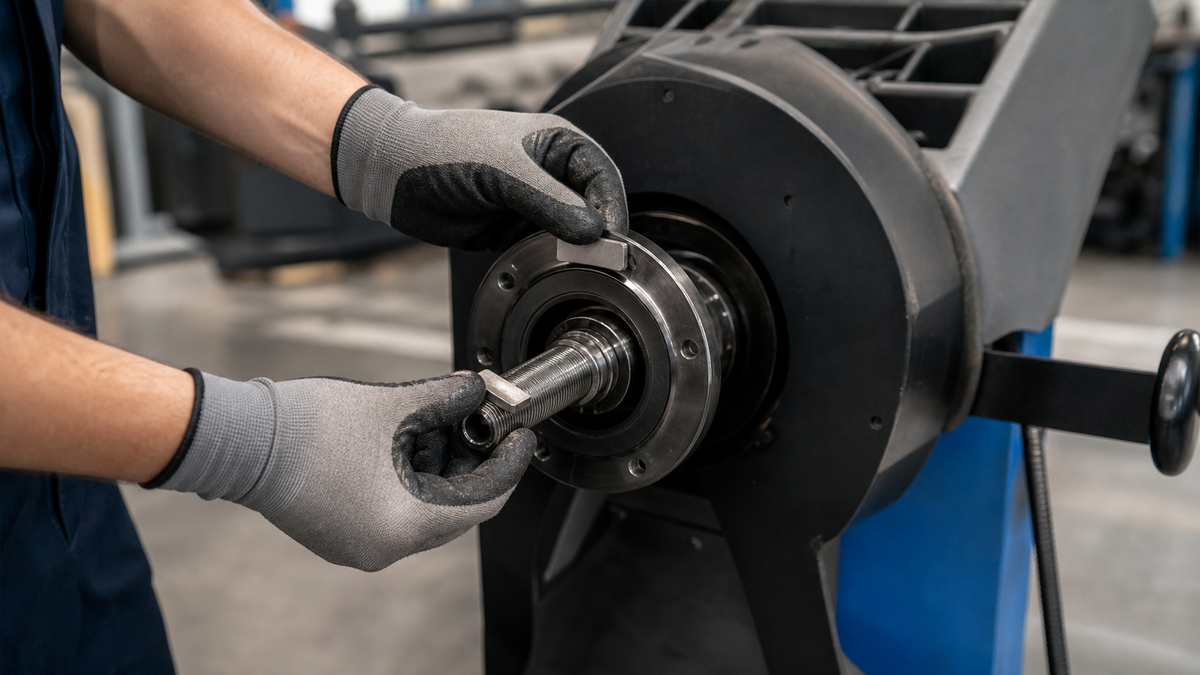
Wheel balancers are sensitive instruments that benefit from calibration and maintenance to support accuracy. A wheel that is out of balance can cause ride vibrations, premature tire wear, and suspension wear. Modern digital wheel balancers utilize sensors to measure wheel assembly variations. To maintain these machines, technicians can follow the manufacturer’s specific guidelines, keeping the spindle, cone adaptors, and cabinet clean.
For example, when shop technicians prepare wheels for mounting, they can verify the balancing parameters. For custom or restored rims, maintaining surface integrity is important; the shop can refer to standard processes such as those in the guide on how to restore off-road wheels to understand common restoration costs and repair methods that might affect the balancing process. Additionally, referencing manufacturer calibration guidelines helps technicians verify accuracy. Recording calibration checks and adjustments in a dedicated logbook provides operational records that may assist in the transition.
Tire Mounting Equipment: Routine Maintenance and Safe Operations
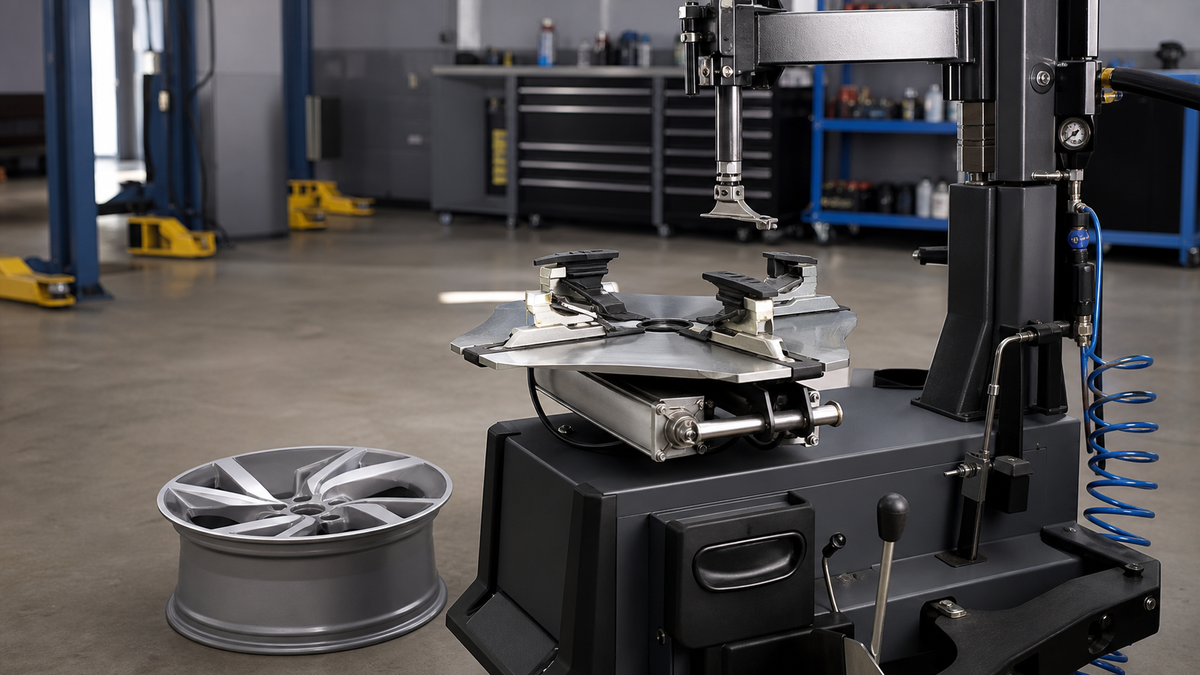
Tire changers and mounting machines are subject to mechanical stress and benefit from periodic inspection and lubrication as recommended by the manufacturer. The clamping jaws, bead breaker arms, and demount heads benefit from regular checks for wear and alignment. Worn or damaged protective plastic covers on the mounting head or clamping jaws can scratch or gouge custom alloy wheels, resulting in customer service issues and replacement costs.
Maintenance of mounting equipment can include checking the pneumatic systems, water separators, and air line oilers. Technicians can also verify that the mount head clearance is set according to the wheel design being serviced. Technicians can also inspect clamping pressure and jaw alignment to verify that they match the specifications required for custom wheel sets. Having these details recorded helps show that the business operations are structured around standard guidelines, which can support operational review. Fitment parameters, such as those described in the Incubus alloy wheels care and fitment guide, can be accessible to the staff to support configuring the mounting machines properly for various wheel profiles, helping protect the tire bead and the wheel rim during the mounting process. Routine maintenance actions, part replacements, and safety checks can be logged.
Manufacturer Calibration Guidelines and Service Partner Networks
Equipment manufacturers typically provide guidance on calibration for wheel balancers and alignment systems. Maintaining a log of these calibrations provides operational records that may assist in the transition.
To support the transition of the business, the owner can document details of service interactions, which can include contact details for representatives and calibration records, matching the scope to the business context. Having these records organized indicates that the shop has a support network in place to handle repairs and equipment updates. These records serve as operational history that can assist in diligence and transition.
As a source-specific safety example, the Occupational Safety and Health Administration (OSHA) 29 CFR 1910.177 standard governs the servicing of multi-piece and single-piece rim wheels when used on large vehicles such as trucks, tractors, trailers, buses, and off-road machines. It is important to note that this standard explicitly excludes wheels used on automobiles and pickup trucks/vans using automobile or LT tires, meaning it does not apply to passenger-vehicle wheel service. In businesses where this standard is relevant, maintaining training records and service logs serves as useful operational documentation.
A prospective buyer will look at safety documentation and training protocols as part of their due diligence. The equipment documentation package can include records of safety training and maintenance checks. Demonstrating equipment care provides operational records that may inform diligence and risk assessment.
Creating the Equipment Handoff and Transition Package
As part of the business transition planning, the owner can assemble an “Equipment Handoff Package” for the incoming management team. This package serves as a source of information for the shop’s capital assets, helping the new owners review service operations and maintain equipment uptime during the handoff.
The Equipment Handoff Package can contain:
* An equipment registry listing machines by manufacturer, model, serial number, date of purchase, and location on the shop floor.
* Copies of original purchase receipts and equipment titles to document ownership.
* A file of maintenance logs for each machine, showing the date, action taken, and parts replaced.
* Calibration logs and calibration records from manufacturer representatives.
* Contact information for equipment vendors, service partners, and parts suppliers.
* A schedule of upcoming maintenance and calibration tasks to support continued equipment care.
By compiling these records, the seller shows that the shop’s physical assets are backed by operational records, helping support a transition to the new owners.
Sources
- Occupational Safety and Health Administration (OSHA). Standard 1910.177: Servicing Multi-Piece and Single-Piece Rim Wheels. U.S. Department of Labor. OSHA 1910.177.
0 Comments