

Independent wheel and tire shops often handle vendor returns, warranty questions, fitment corrections, and customer follow-up alongside normal parts sales and service work. Those records are easy to scatter across invoices, work orders, email threads, and supplier portals. When an owner begins considering a confidential transition, a discussion with a business broker in Indiana is easier to ground when the business can show how it handles those operating details. The file is not a promise about a transaction or a price. It is a practical record of how the shop resolves ordinary exceptions.
A useful operating file can connect a customer work order to the product sold, the reason for a return or claim, the vendor communication, and the final accounting treatment. That connection helps distinguish a routine correction from an unresolved issue. It also gives the owner a clearer picture of recurring process gaps before anyone outside the business reviews the operation.
Keep Warranty and Return Records in One Trail
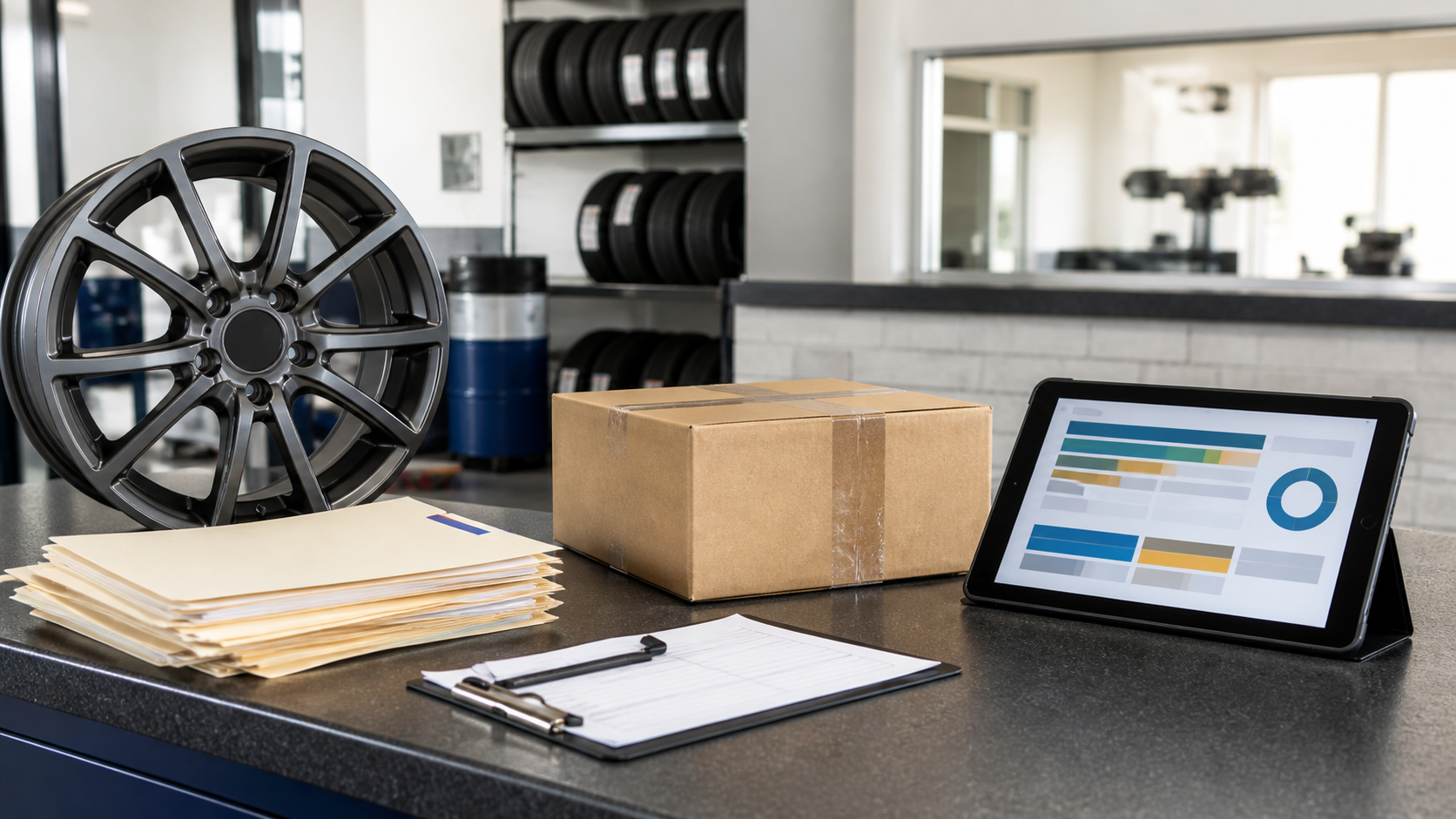
Start with the documents already created in normal work: the customer work order, invoice, product identifier, installation notes, inspection notes, supplier return authorization if one exists, and credit or replacement record. A single spreadsheet or case log can point to those documents without attempting to replace the shop’s accounting system. The important point is that a reviewer can follow the sequence from a product sale to the resolution.
Use consistent categories for common reasons: shipping damage, installation issue, fitment correction, manufacturer review, customer preference, or supplier stock error. The categories do not need to predict fault. They help the owner see whether a particular product type, vendor, or process creates repeated follow-up. Clear categories also make it less likely that a credit, replacement part, and labor adjustment are recorded as unrelated events.
Document Vendor Return Practices Without Making Assumptions
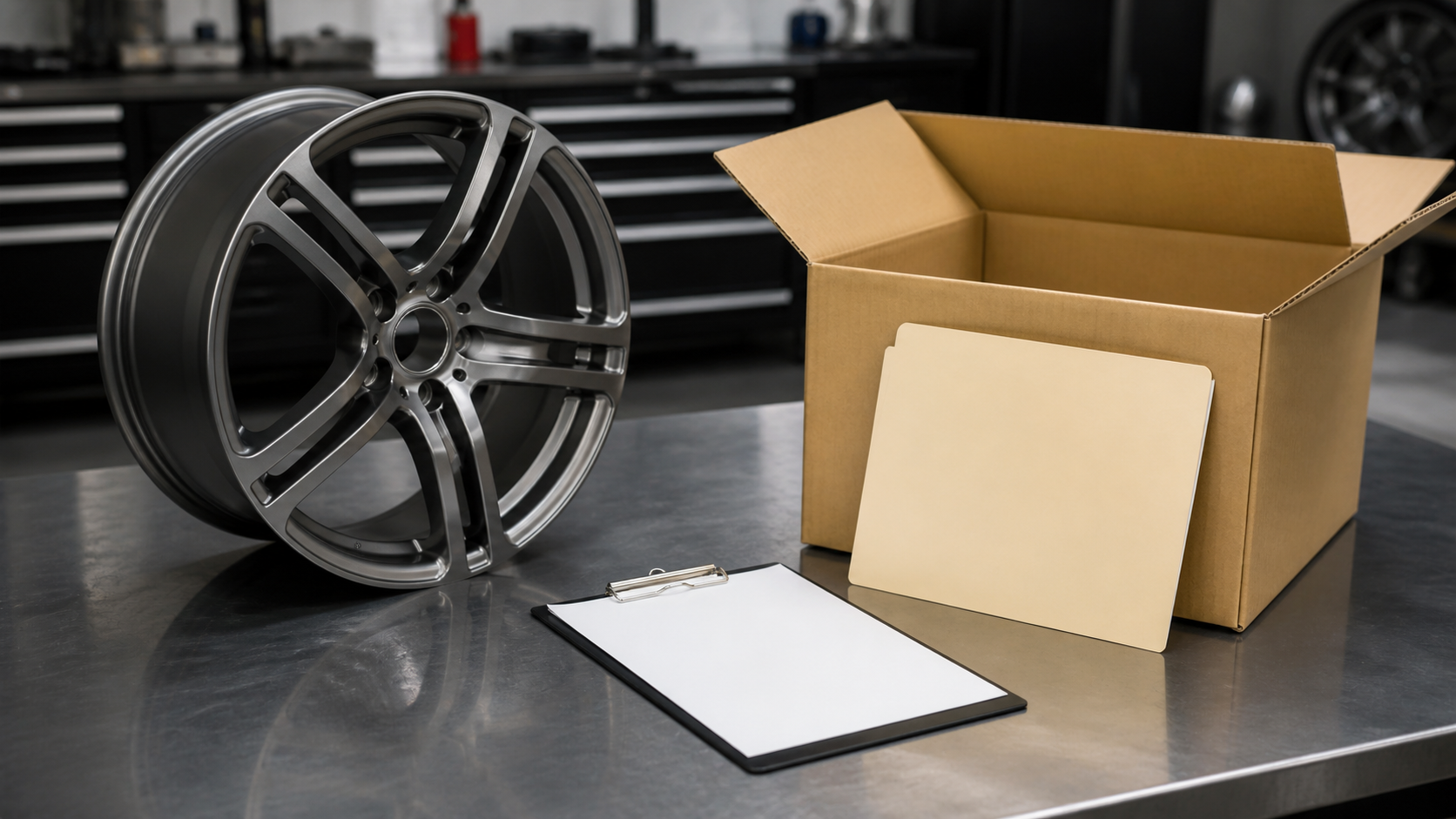
Vendor and distributor practices can vary by product, account, and time. Keep the written terms, return authorization, shipping instructions, and final credit documentation with the related case. If an item needs to be inspected or shipped back, record the date it left the shop and the date any response arrived. That makes the working-capital effect of an open return visible without representing that a vendor will handle every later case in the same way.
A separate note can identify inventory that was removed from sale while a claim was pending. This is helpful when a physical count, point-of-sale record, and vendor credit do not occur on the same date. The shop should preserve the original documents and have qualified advisers review any contract, warranty, tax, or legal question. The goal of the file is operational clarity, not an interpretation of rights or obligations.
Accounting timing deserves its own short record. A return may create a customer credit today, a freight charge tomorrow, and a supplier credit later. The owner does not need to forecast the result. The file should identify the dated documents and the account or inventory adjustment that followed. This gives the bookkeeper and the operating manager a shared way to reconcile open items at the end of a period. It also prevents a routine case from being described twice simply because the service work and the vendor response occurred in different weeks.
Connect Claims to Customer Work Orders
Customer work orders supply context that an invoice alone may not show. They can record the vehicle information used for fitment, the services performed, any customer concern, and the steps the shop took before issuing a credit or installing a replacement. Linking that information to the parts record helps the owner explain how the shop’s team handles follow-up work and quality control.
This article is deliberately narrower than the source’s existing wheel shop confidential sale process guide. That guide addresses broader preparation. A warranty and return file focuses on exception handling after a product has entered the business. It can also be read alongside the source’s equipment-record article, documenting balancers and mounting machines for an ownership transition, without duplicating its equipment-maintenance focus.
Where a claim is connected to a particular set of wheels, tires, sensors, or related hardware, the records should identify the item without exposing more customer information than the shop needs for its own process. A simple reference to the work-order number, supplier document, and inventory location can be enough. If a replacement item is staged in the shop, note whether it is available for installation, held for inspection, or awaiting a vendor decision. That makes the physical status understandable during a routine count.
Control Confidential Review Materials
Open claims, supplier communications, and customer records can be sensitive. An owner can build a private working index before deciding whether any material should be shared. The index may identify the document source, date, related work order, current status, and person responsible for the file. Limiting access helps keep preliminary review work separate from routine shop communications.
When an owner reaches a formal stage, appropriate professionals can advise on the documents, privacy practices, and confidentiality arrangements needed for that process. Until then, the business can keep the materials factual and organized: preserve the original record, avoid editing a historical work order, and add an explanatory note only when needed to connect related documents.
A monthly exception review can keep the file current without creating a separate administrative project. The owner or a designated manager can list open supplier responses, unresolved customer follow-up, inventory held out of sale, and credits waiting to be matched. Closing an item should mean the supporting records are present, not that the business has reached a particular commercial result. This routine provides a simple snapshot of what remains operationally open and what has been documented.
Use the same case reference when a return touches multiple systems. For example, the work-order number can appear on the supplier return label, the inventory adjustment, and the customer follow-up note. That small discipline makes it easier to locate related records later without changing the original documents or relying on a staff member’s memory.

A Fictional Wheel Shop Example
Consider a fictional wheel shop that receives a customer concern after a recent installation. The shop keeps the original work order, photographs taken during the inspection, the product invoice, and the vendor’s return instructions in one case folder. A replacement arrives later, and the shop records the new product, labor adjustment, and credit in the same file. No single document is treated as the whole explanation.
When the owner later reviews operating records, the case shows the sequence without guessing about the vendor’s future decision or the customer’s view. The owner can see whether the matter was resolved, still pending, or needed professional review. That is enough for the file to serve its purpose: it makes a normal operating exception understandable.
Checklist for an Exception-Handling File
- Retain the original work order, invoice, installation record, and product identifier.
- Use one consistent case reference across service, inventory, and accounting records.
- Record the documented reason for a return, credit, replacement, or inspection.
- Keep vendor instructions, return authorizations, freight records, and credit notices together.
- Note inventory removed from sale while a vendor response is pending.
- Preserve customer follow-up and final resolution notes without changing original records.
- Separate factual operating notes from questions that require legal, tax, warranty, or contract advice.
- Maintain a controlled index for documents assembled during confidential planning.
A wheel shop does not need a new system to create a useful exception-handling file. It needs a consistent way to connect the records it already creates. Organizing warranty and return documentation can make the operating history clearer for the owner while preserving the detail needed for thoughtful future conversations.

0 Comments